What Is UGC? A Guide for NZ Brands
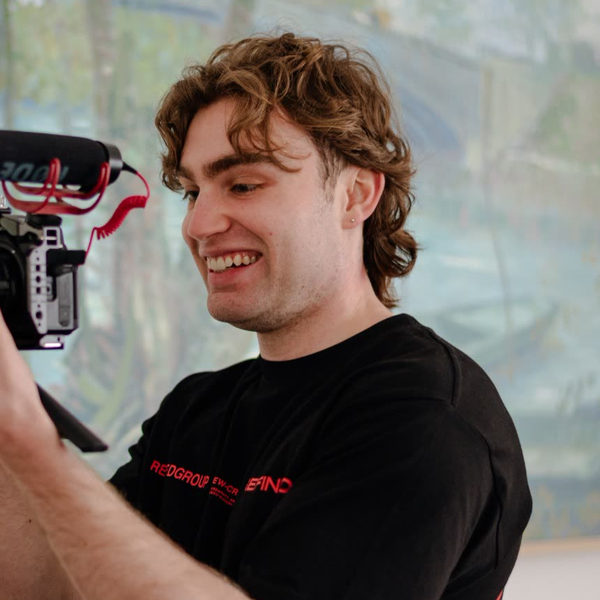
Tobi Utting
Content & Production


What is UGC? UGC stands for user-generated content: photos, videos, reviews and posts made by real people rather than by the brand itself. In marketing, UGC usually means short, phone-shot videos where a customer or paid creator shows a product in real life, used in social posts and paid ads because it feels native to the feed.
For NZ brands, UGC has become one of the most practical ways to feed Meta and TikTok with fresh creative. It costs less to make than a full production, it can be tested quickly, and it often holds attention better than polished brand content. This guide explains what UGC is, how it differs from influencer marketing, and how to brief it well.
If you would rather have someone run the whole process for you, from creator selection to edits that are ready for ads, see our UGC content production service.
UGC stands for user-generated content. Originally it meant anything customers created on their own: an unboxing video, a product review, a photo tagged with your brand. Today the term covers two things:
Most of what marketers call "UGC" in 2026 is the second type. It looks like a real customer's video, but it is planned, scripted loosely and made to a brief.
A UGC creator is someone who makes authentic-looking content for brands to publish on the brand's own channels. That is the key difference from an influencer. A UGC creator does not need a big following, because the content is not posted to their audience. They are paid for the content itself and for the rights to use it.
Good UGC creators are comfortable on camera, speak naturally, understand how short-form video is paced and can follow a brief without sounding scripted. Many are everyday people who simply film well on a phone. For NZ brands, a local accent and a recognisably Kiwi setting can make a real difference to how believable the content feels.
Both use real people, but they solve different problems.
Many brands use both. Influencers build awareness with a new audience, and UGC turns that interest into sales through paid social.
UGC works well in paid social because it looks like the content people already choose to watch. The common formats are:
The real value comes from volume and testing. One creator session can produce several hooks (the first two or three seconds), several body sections and a few calls to action. Mixing those creates many ad variations, and Meta's and TikTok's delivery systems will find the combinations that work best for each audience. Pair UGC with strong Meta ads management so winning creative gets the budget it deserves.
UGC also earns its place beyond ads. Short clips work on product pages, in welcome emails and in organic social, where they add proof next to your studio photography.
A loose brief produces loose content. A good UGC brief is short but specific. Include:
Ask for raw clips as well as an edit. Raw footage lets your team cut new versions later without booking another shoot.
You can source creators yourself through platforms and social media. That works if you have time to find people, write briefs, chase deliveries, check rights and edit. It gets harder once you need a steady flow of new creative every month.
An agency makes sense when:
Refined produces creator-style content alongside its studio and film work. For Proferlo Furniture, we filmed UGC-style videos of real product set-ups next to studio photography and a brand film. You can see the results in the Proferlo Furniture case study.
A written customer review is one type of user-generated content. In marketing, though, UGC now usually means short videos made in a customer's style, often by paid creators, for use in ads and on product pages.
Yes. Ask the creator for written permission and agree where and how long you will use it. For commissioned UGC, include usage rights in the agreement before filming starts.
It can. The format changes from unboxings to walkthroughs, explainers and customer stories, but the principle is the same: a real person showing how the product helps is more believable than a brand claim.
Want UGC that is built to perform in your ads? Request a free strategy.