From ambitious start-ups to established names, one in-house team turns creative into customers.
TRUSTED BY NZ BRANDS


Join the businesses already seeing real results with Refined

We'll look over your details and come back to you with next steps shortly. Need us sooner? Email hello@refinedgroup.co.nz
Websites we’ve built
Recent launches for New Zealand brands, designed to work as hard on a phone as on a desktop.
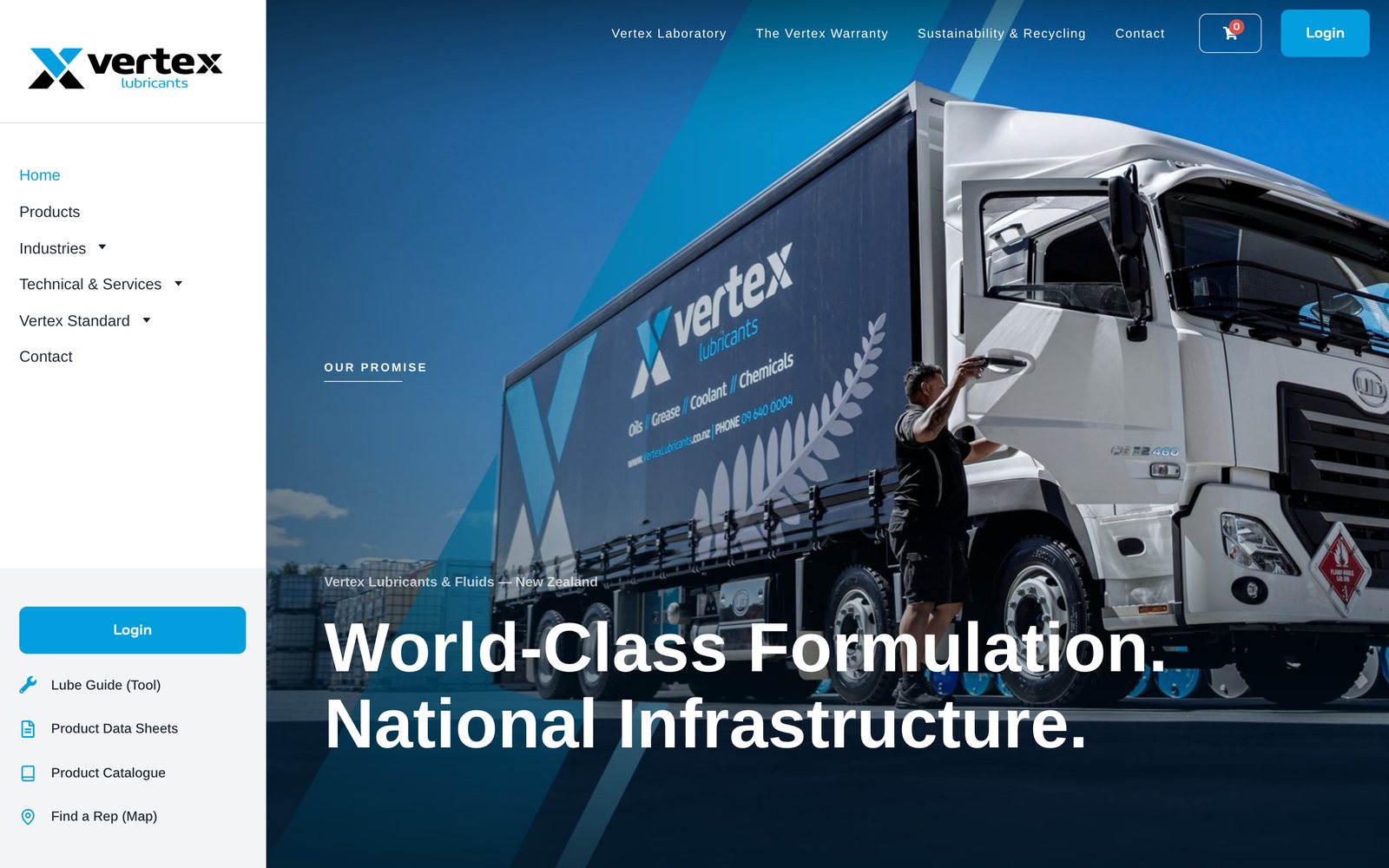



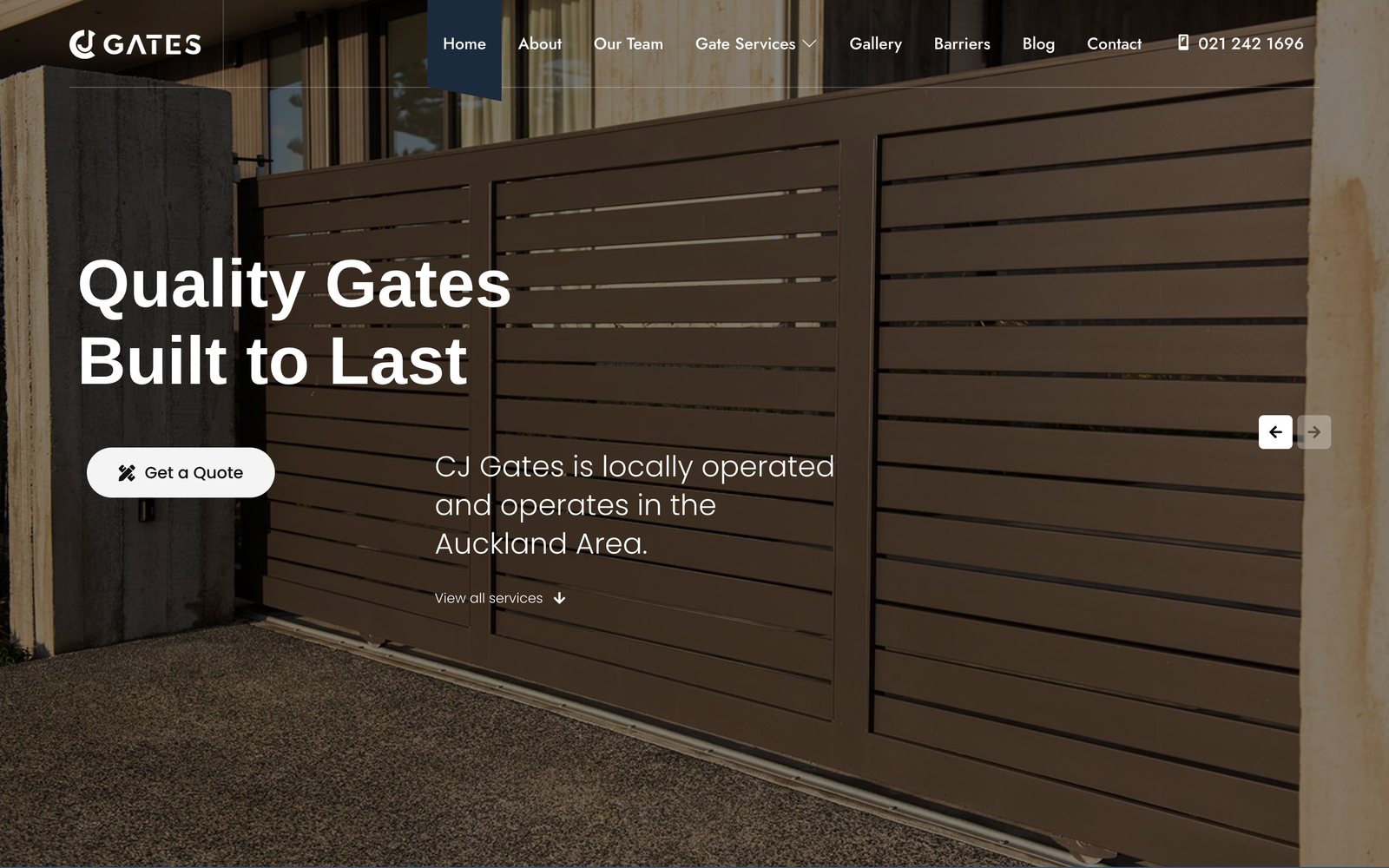
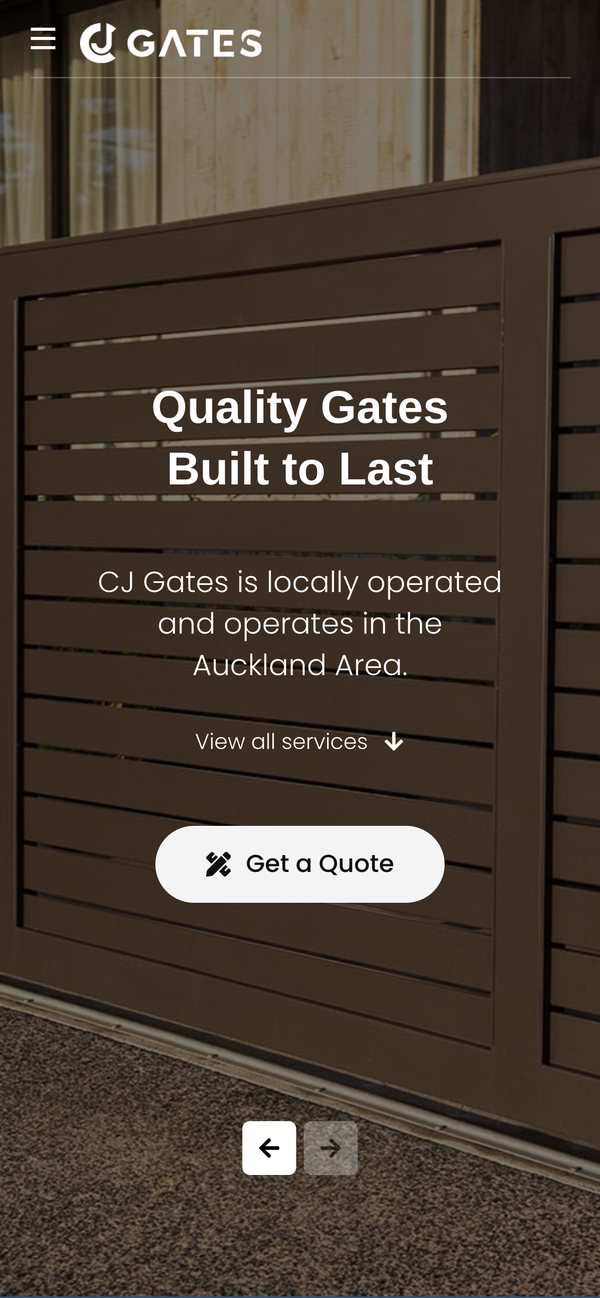
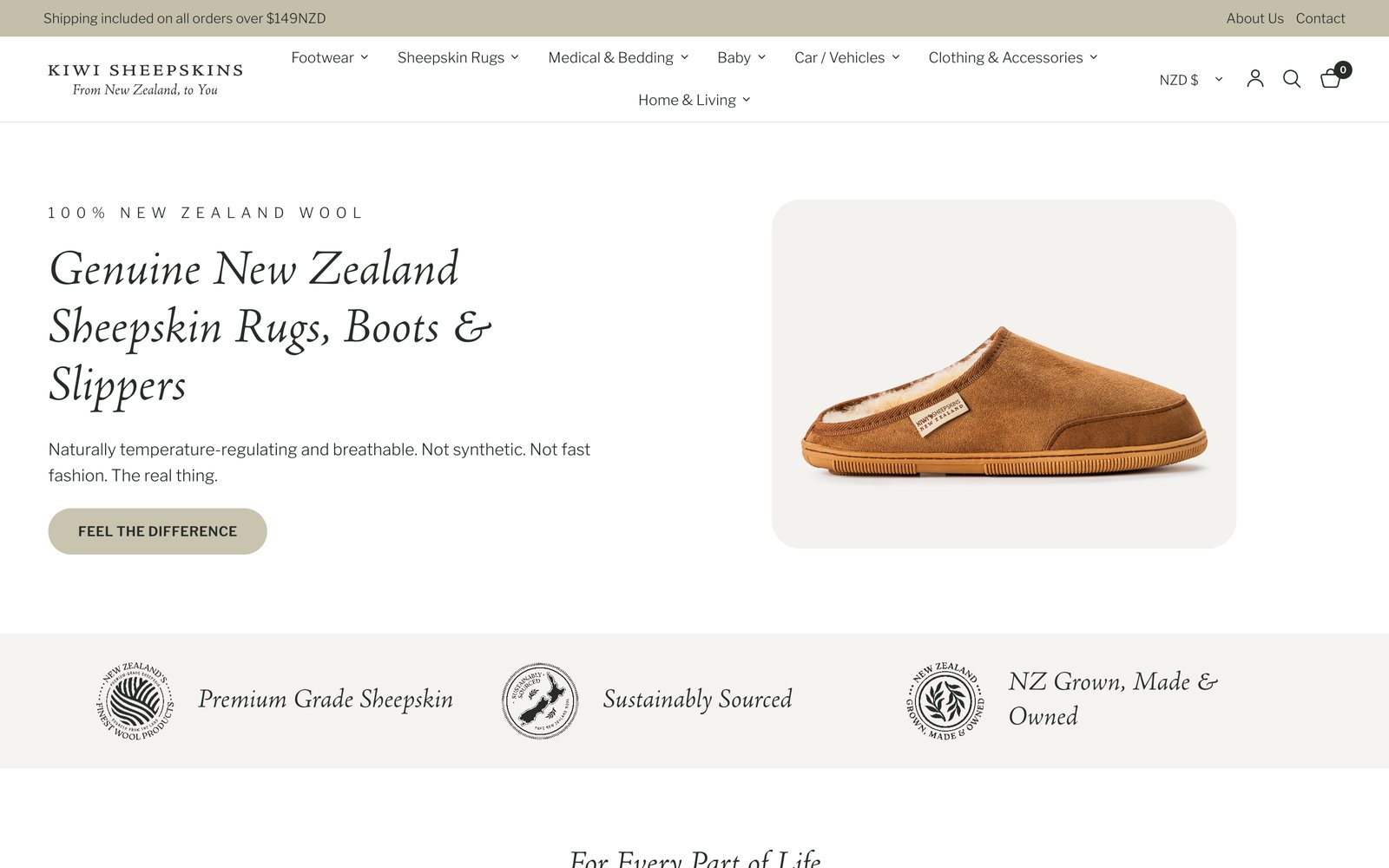


We started Refined because businesses kept being sold the same recycled packages by agencies they never actually spoke to. So we built the opposite: a Kiwi-owned team in Grey Lynn where the strategists, media buyers, developers, shooters and editors sit together, and you talk to all of them.

Book a free strategy call. We will look at your store, theme, apps and tracking and tell you honestly where the biggest wins are.
No black box and no monthly PDF that arrives too late to act on. Refined Analytics shows enquiries, orders and return on spend as they happen, and a weekly report from the people doing the work explains what we changed and what is next.
What New Zealand store owners ask us before hiring a Shopify developer.
New Zealand brands are sold theme tweaks, app installs and invoices. Nobody asks whether the store sells more afterwards. Here is what usually goes wrong, and how we run it instead.
Development, design, SEO, tracking and the marketing that follows sit in the same Grey Lynn studio. You deal with the people writing the code, not a ticket queue.
Theme set-up and customisation, product, collection and menu structure, payments, shipping and GST, apps configured, tracking and SEO live at launch.
Custom Liquid sections, blocks and product templates, metafields and metaobjects, all editable in the theme editor so your team never touches code.
Products, customers and content moved from WooCommerce, WordPress or other platforms, 301 redirects for every old URL and SEO checked before and after.
Reviews, loyalty, accounting, inventory and shipping apps connected, leftover app code removed and Core Web Vitals fixed so the store loads fast.
Collections structured for search, product schema, canonical tags and the duplicate collection URLs Shopify creates handled properly, with ongoing SEO available.
Klaviyo connected to the store with clean event data, core flows built and sign-up forms placed so email starts earning from the first week.
Most Shopify developers work through a ticket list. We scope every build, migration or fix around your goals, SEO, ad landing pages, content and Klaviyo flows, because the same team runs them.
Your store, theme, apps and tracking reviewed alongside your goals, SEO, ad landing pages, content and Klaviyo flows, then scope agreed in plain language.
Theme choice, page designs and a plan for custom sections, apps, integrations and any migration mapping.
Theme built or customised in clean, documented Liquid, products loaded or migrated, apps connected with restraint.
GA4, Conversions API, Google Merchant Center, Meta catalogue and Klaviyo wired up and tested so marketing can measure sales accurately.
Device, checkout, redirect and tracking checks on every template before the store goes live or the migration cuts over.
Ongoing theme updates, new sections, app changes, speed and SEO work, reported live alongside what the store is selling.
Three disciplines, one team. Every piece of Shopify work is scoped against what it should earn, built clean and editable, and measured on orders.
Theme, apps, speed, SEO and tracking reviewed first. We agree in plain language what will change and what it should do for sales before anyone opens the theme files.
Custom sections and templates that stay editable in the theme editor, documented code, restrained app choices and integrations wired up with clean event data.
GA4, Conversions API and feeds tested before launch. Every order appears in Refined Analytics attributed once, so you see what the work changed.
A custom section, a full build and a migration are very different jobs. We quote once we understand your store, range and goals, on a project basis or as ongoing support, and you see where every hour goes.
Request a strategyA theme fix, a set of custom sections, a new store build or a full platform migration.
How many products, variants, customers and pages need loading, migrating or templating.
The email, reviews, accounting, inventory, shipping and sales channel tools the store has to talk to.
Whether you want a one-off project or a developer on hand each month for updates, fixes and improvements.
“Their ability to orchestrate content, performance and strategy simultaneously in one unified approach is exactly what modern marketing should look like. They’ve genuinely had a huge impact on the success of the business.”
“Refined took our business to the next level.”
A Shopify developer builds and customises stores beyond what the theme settings allow: custom Liquid sections and templates, app set-up and integrations, migrations from other platforms, speed fixes and technical SEO. That is the job description. The point of the job is different. Every hour of development should make the store faster, easier to run or better at turning visitors into orders, and you should be able to see which. We are Shopify experts and a Shopify Partner based in Grey Lynn, Auckland, working with brands across New Zealand, and our developers sit beside the strategists, designers and media buyers who grow the stores they build. So the work is planned around your SEO, the landing pages your Google Ads and Meta ads send traffic to, your content and your Klaviyo email flows, which most Shopify developers leave to someone else. It is also why we set up tracking so your marketing can measure sales accurately, and why we report on orders rather than tickets closed.
Most brands outgrow their theme's settings long before they outgrow Shopify. The answer is not a new theme every year, it is custom sections, blocks and product templates built in clean Liquid and wired to metafields and metaobjects, so your team can add a comparison table, a size guide or a bundle without a developer. Everything we build stays editable in the Shopify theme editor and is documented, so the next person to touch it, whether that is us or someone else, understands it. We customise existing themes where that is the sensible route and build bespoke where the brand needs it. For a brand new store, the design side runs through our Shopify website design service, and sites that do not sell online sit with our website design team.
We move stores to Shopify from WooCommerce, WordPress and other platforms, bringing products, variants, customers, orders and content across where the platforms allow. The part that protects your revenue is the part most migrations skip: a 301 redirect mapped for every old URL, SEO benchmarked before cut-over and checked again after, and tracking rebuilt so the first week on the new platform is measured properly. A migration should be invisible to Google and to your customers, and visible to you only as a store that is easier to run.
Slow Shopify stores are usually slow for the same reasons: oversized images, leftover code from uninstalled apps, render-blocking scripts and too many third-party tags. We audit your theme, apps and scripts to find what is actually slowing the store down, then fix the issues that affect Core Web Vitals: image sizing and lazy loading, dead app code removed, scripts deferred, fonts and third parties loaded sensibly. We also fix theme bugs, broken layouts and tracking problems while we are in there. Faster pages convert better and rank better, so speed work pays twice.
Shopify is a solid base for SEO but it needs setting up. We structure collections, add product schema, manage canonical tags and handle the duplicate product URLs Shopify creates through collection paths, and we can run ongoing SEO alongside the store work. On the app side we connect reviews, loyalty, accounting, inventory, shipping and fulfilment tools, Google and Meta sales channels, and Klaviyo for email, with clean event data so flows fire on the right behaviour. Then we audit what is installed and remove what is not earning its place. Fewer, better-connected apps make a faster store and a clearer picture of what is selling.
Every store we build or take on gets GA4, Google Ads conversions and the Meta Pixel with Conversions API set up and tested, with the product feed connected to Google Merchant Center and Meta catalogues. Because the same team builds the store and runs the ads, tracking and product data are set up to work together, and orders appear in Refined Analytics attributed to the channel that produced them. After launch we provide ongoing Shopify support for updates, new sections, app changes, fixes and improvements. You deal directly with the people doing the work, and support can be combined with SEO, conversion rate optimisation and ads so the store keeps getting better, not just maintained.
A furniture retailer selling online across New Zealand and Australia. We rewrote the store's content, set tracking up properly, ran Meta and Google alongside it and reported every order back to its source. Development is only worth doing when it ends in numbers like these.