Product Photography for Ecommerce: A Guide for NZ Brands
Tobi Utting
Content & Production

Product photography for ecommerce is the set of images that sells your product when customers cannot touch it: clean studio shots, detail close-ups, scale shots and lifestyle images that show the product in use. For online stores, good product photography in NZ is one of the simplest ways to lift conversion rates, cut returns and give your ads better creative to work with.
This guide covers studio vs lifestyle shots, the shot list every product page needs, how ad images differ from website images and how to brief a photographer. If you want it handled end to end, see our product and commercial photography in Auckland.
Online, photos do the job a shop floor does in person. Shoppers use them to judge quality, size, colour, texture and whether the product fits their life. When the photos do not answer those questions, people either leave or buy with doubts, and doubts lead to returns.
Strong product images help in three ways:
They also feed every other channel. The same shoot supplies your product pages, Google Shopping, Meta ads, email and social media, so the quality of your photography affects the performance of your whole marketing mix.
Studio shots show the product on a clean, usually white or neutral background, with controlled lighting. They show the product accurately and consistently, which matters on collection grids where products sit side by side. Marketplaces and Google Shopping often expect this style for the main image.
Lifestyle shots place the product in a real setting with people, props and context: a sofa in a living room, a jacket on a walk, a tool in a workshop. They tell a story and work especially well in ads, social media, email and on the home page.
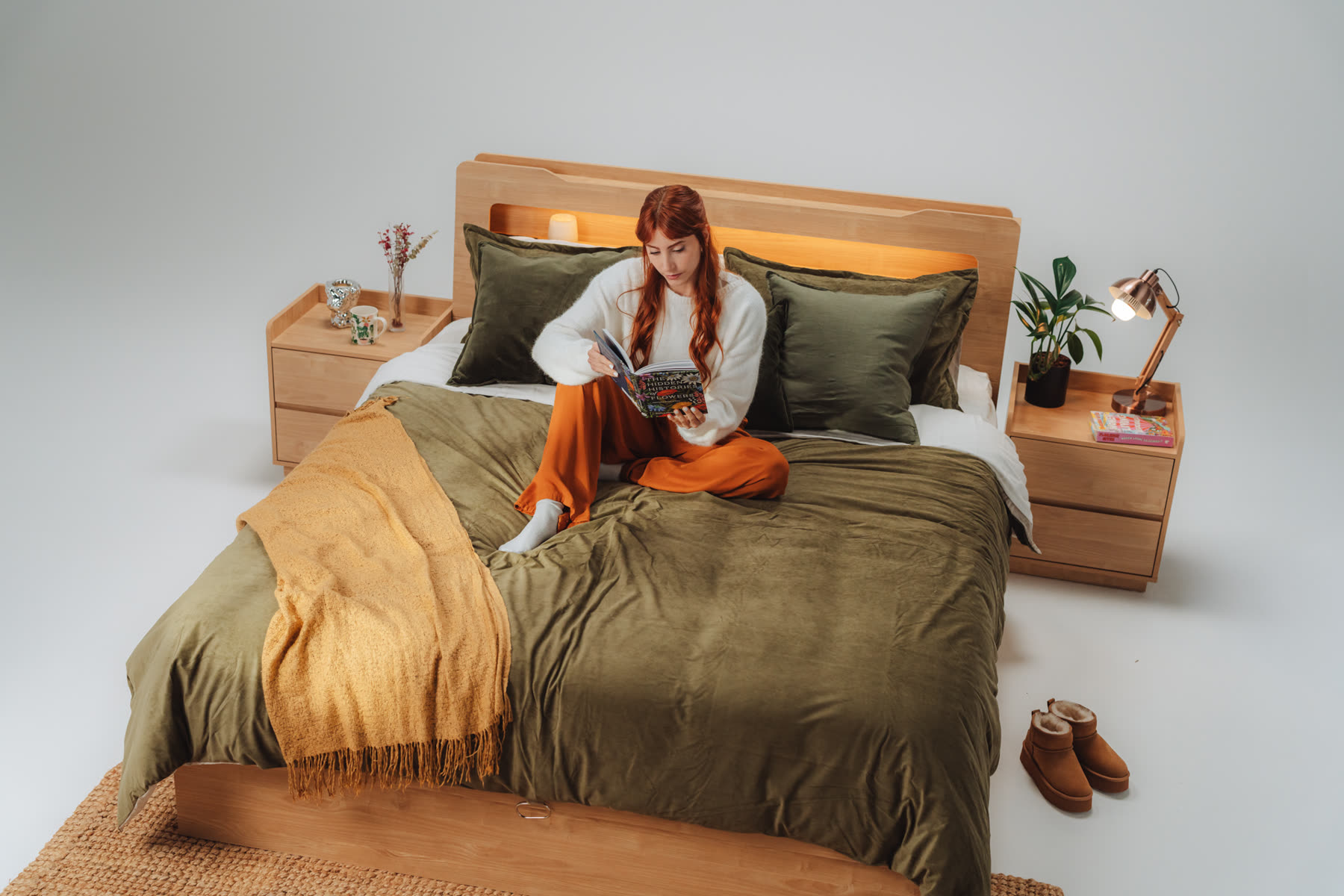
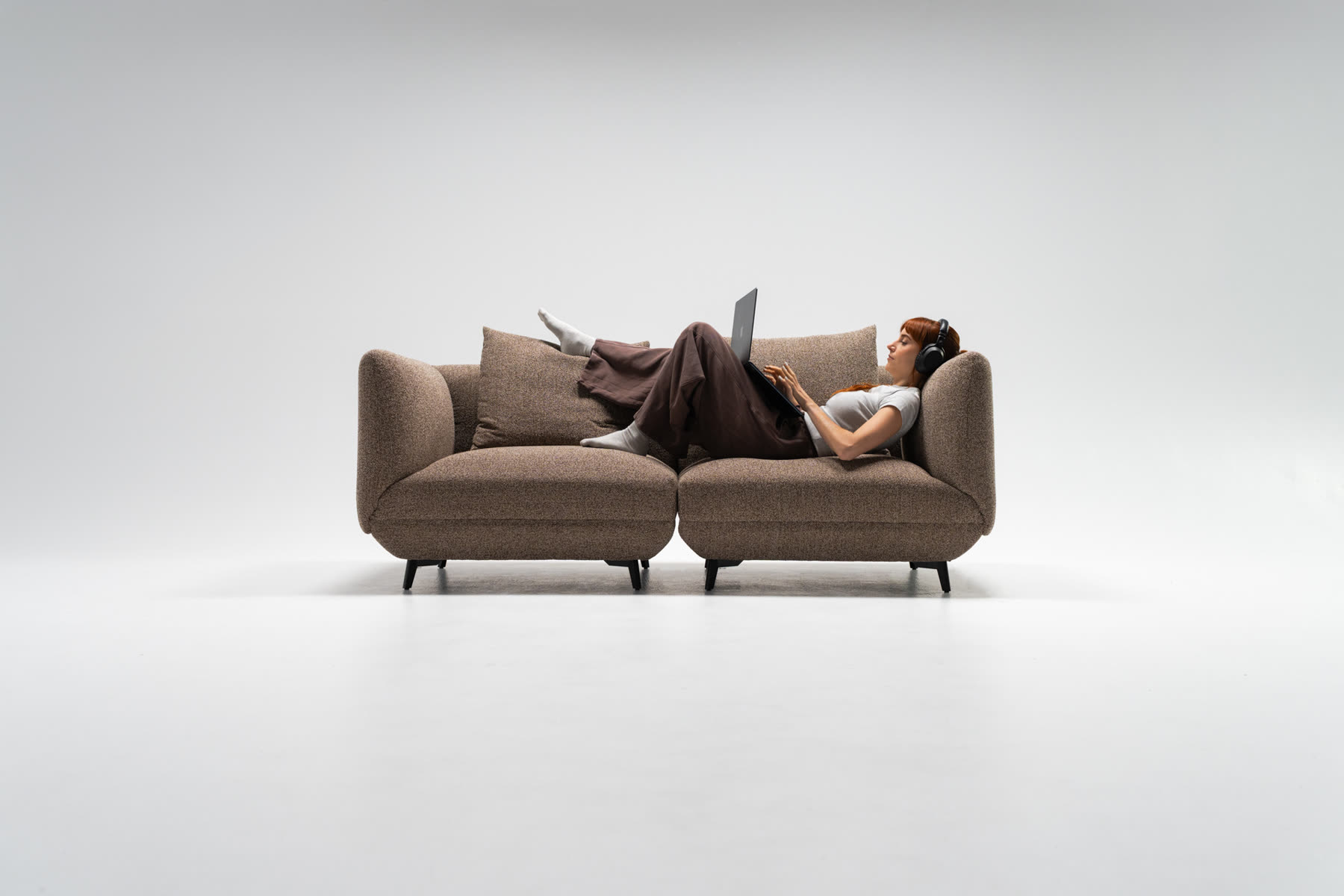
Most product pages need both. Studio images help people compare and check details. Lifestyle images help them imagine owning the product. For Proferlo Furniture, Refined produced studio photography of beds and sofas alongside lifestyle film and creator-style video, giving the brand content for every channel. You can see the results in the Proferlo Furniture case study.
Keep angles, lighting, background and crop consistent across your range. Consistency makes collection pages look tidy and helps customers compare products quickly.
Website images need to inform. Ad images need to stop the scroll. That means different priorities:
Plan both uses before the shoot so the photographer captures each format in one session.
Short video is now central to social media and paid ads. Booking photo and video for the same day makes sense when you can:
It works best with a team used to both, and a clear plan for which shots are photo, which are video and which are both. Refined's production studio shoots photo and video in-house, and our video production team in Auckland can be on the same set.
A clear brief saves time on the day and avoids reshoots. Include:
Ask to see the photographer's previous product work, not just portraits or events. Product photography is its own skill.
For social posts and creator-style content, often yes. For hero images on product pages and Shopping, professional lighting and editing usually make a clear difference to how premium the product looks.
White or a light neutral background is the safest choice for main images and marketplaces. Use lifestyle settings for secondary images and ads.
Enough to answer every question a shopper might have: typically a hero image, alternate angles, details, scale and at least one lifestyle shot.
Planning a product shoot? Request a free strategy.